Kathmandu Food News: The Mud Stove (Chulo) Renaissance and Why Swadvilla is Leading the Charge
Kathmandu, Nepal — For the past decade, Kathmandu’s restaurant and cafe scene has been defined by rapid modernization. We watched sleek, industrial-style cafes and gas-powered grills take over the city. But according to recent culinary trends sweeping the valley, diners are experiencing “modernity fatigue.” There is a massive, growing demand for a return to authentic, […]
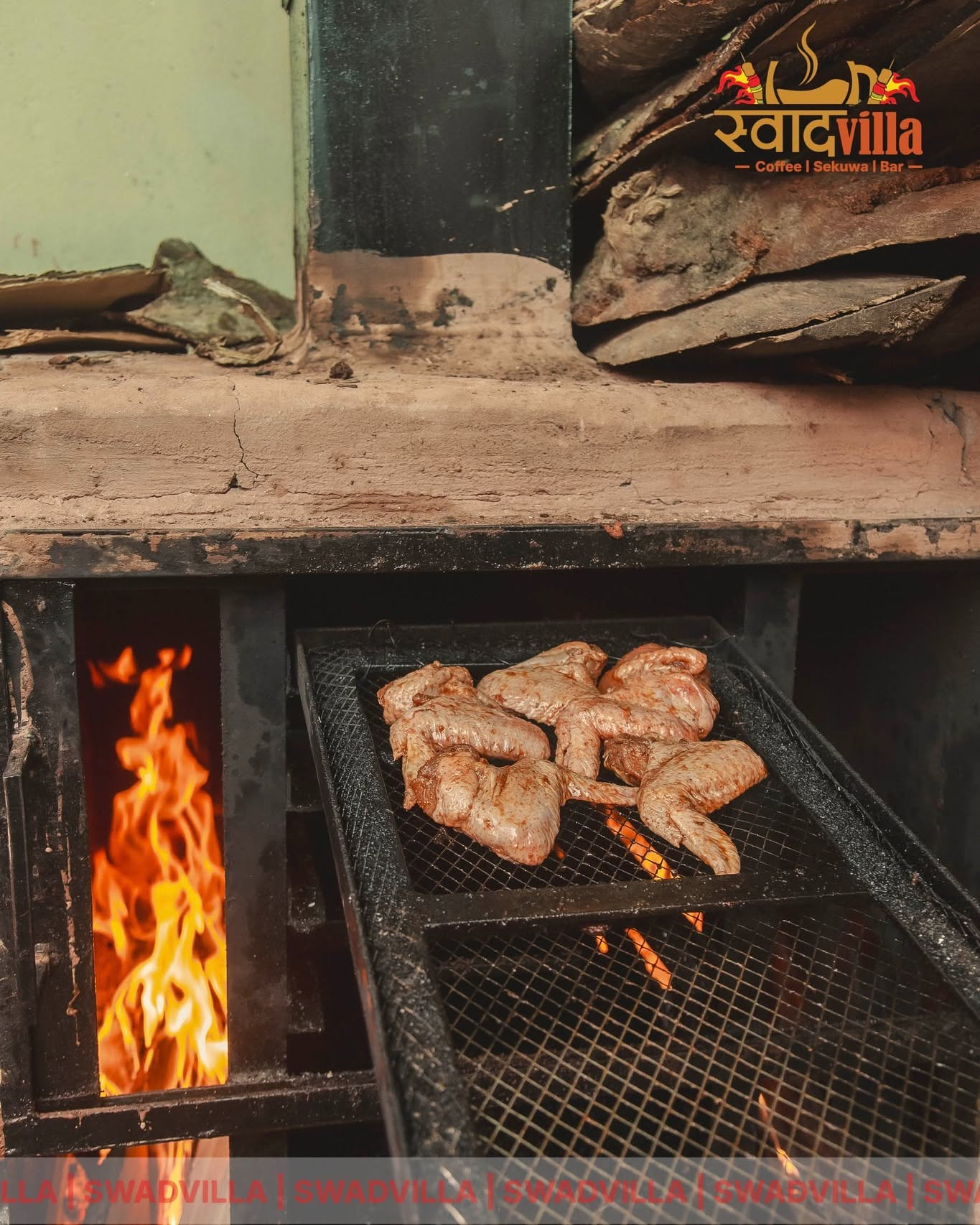
Kathmandu, Nepal — For the past decade, Kathmandu’s restaurant and cafe scene has been defined by rapid modernization. We watched sleek, industrial-style cafes and gas-powered grills take over the city. But according to recent culinary trends sweeping the valley, diners are experiencing “modernity fatigue.” There is a massive, growing demand for a return to authentic, rustic roots—and the traditional Nepali mud stove (chulo) is officially making a triumphant comeback.
At the forefront of this cultural and culinary shift is Swadvilla Coffee & Sekuwa Bar. They have rejected the sterilized approach to cooking in favor of fire, smoke, and tradition, creating an experience that is capturing the attention of locals and foodies alike.
The Science of the Smoke: Why the Chulo Matters.
To understand this trend, you have to look at the process. Sekuwa is an essential part of Nepalese cuisine, traditionally consisting of meat marinated with a blend of spices, ginger-garlic paste, yogurt, lemon juice, mustard oil, and salt. When these heavily spiced meats are skewed and grilled over an open flame or charcoal, it produces a deep, smoky, rich flavor.
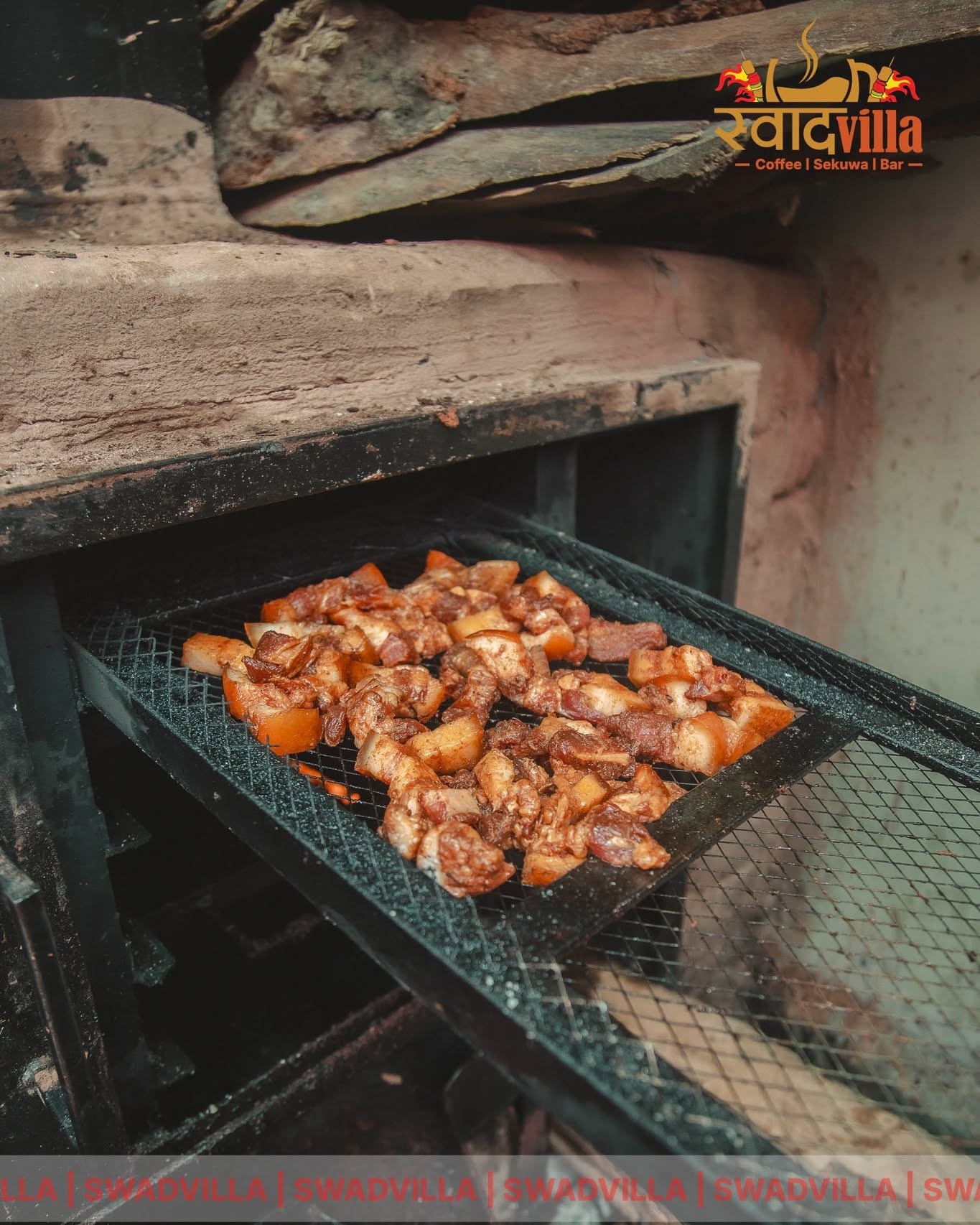
Swadvilla executes this perfectly by utilizing a traditional wood-fired mud stove. The chulo imparts an earthy smokiness into their signature dishes. The intense, localized heat of the mud stove locks in the juices in a way that standard commercial gas grills simply cannot replicate
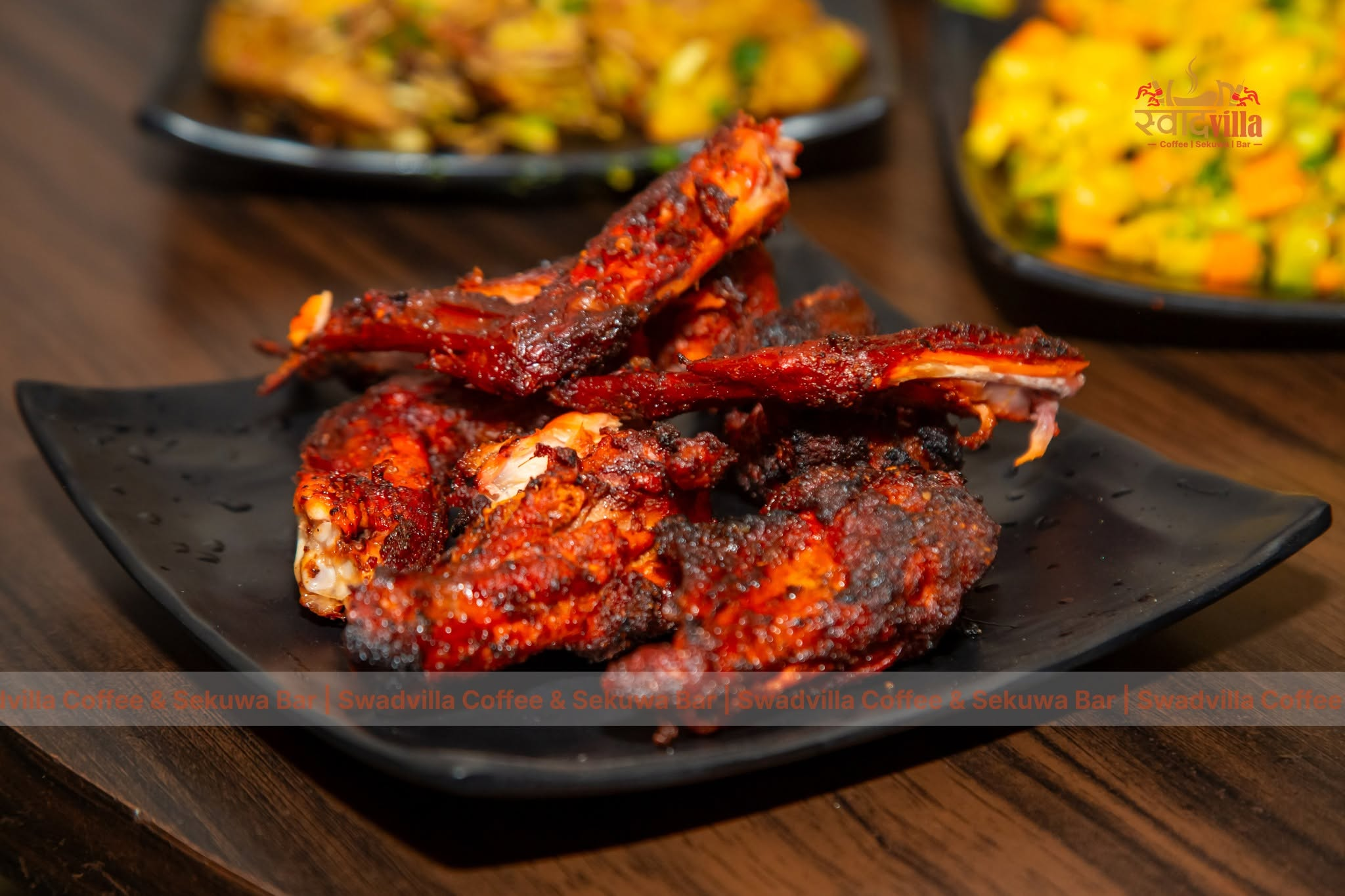
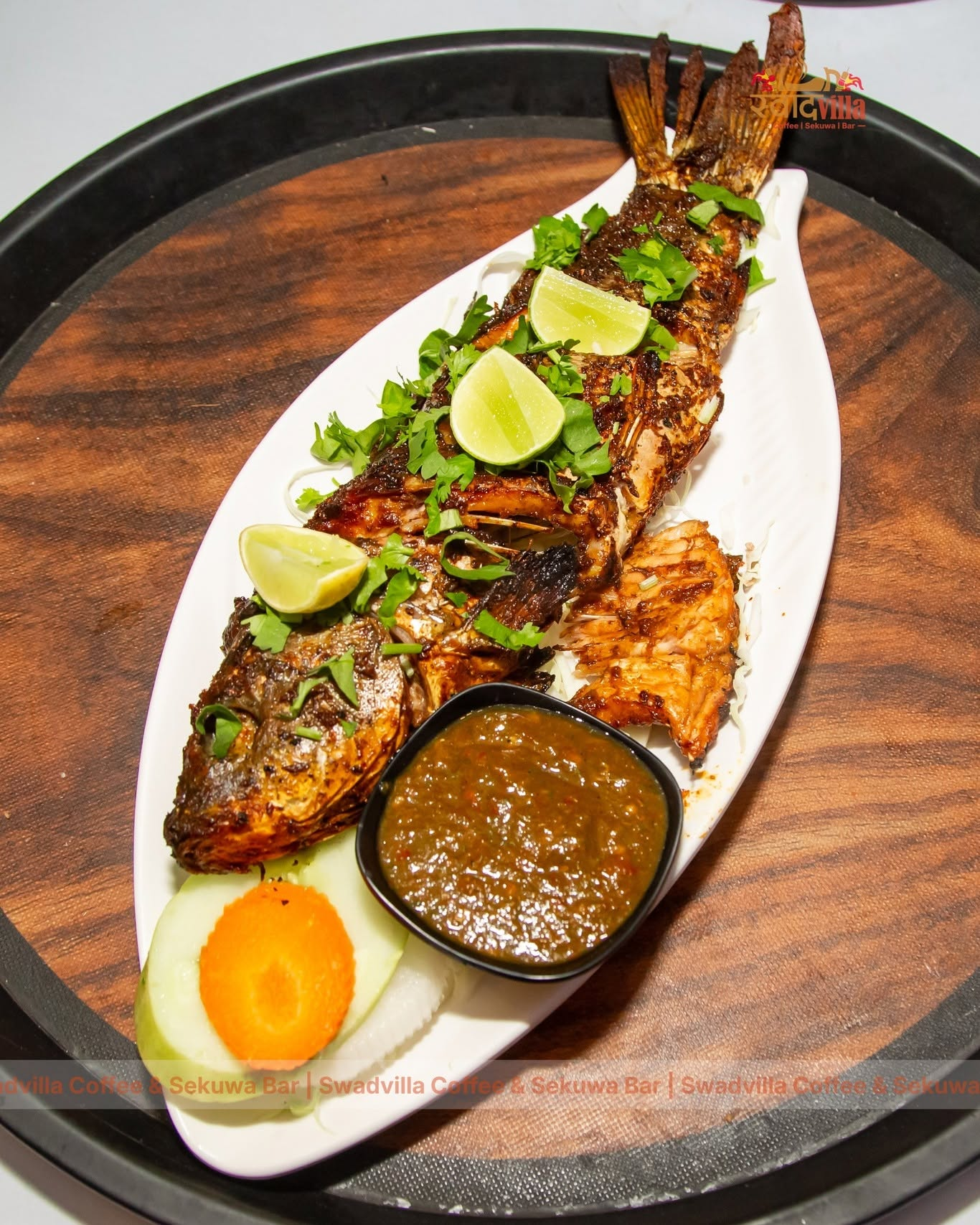
Whether it’s their perfectly charred, spiced wings, their whole roasted fish, or generous portions of succulent pork and buffalo sekuwa, the visual and aromatic appeal is undeniable.
The Hybrid Hospitality Model: More Than Just an Evening Spot.
What is truly newsworthy about Swadvilla’s approach is their operational adaptability. They aren’t just capitalizing on the evening sekuwa rush; they have engineered a brilliantly designed hybrid space.
By day, Swadvilla operates as a relaxed, modern coffee shop. Having a dedicated barista setup allows them to cater to remote workers, students, and daytime casual meetups. (For local entrepreneurs taking notes, seamlessly blending day-and-night operations requires robust coffee business solutions—from dialing in the right espresso machine workflow to ensuring your daytime branding doesn’t clash with your evening bar identity).
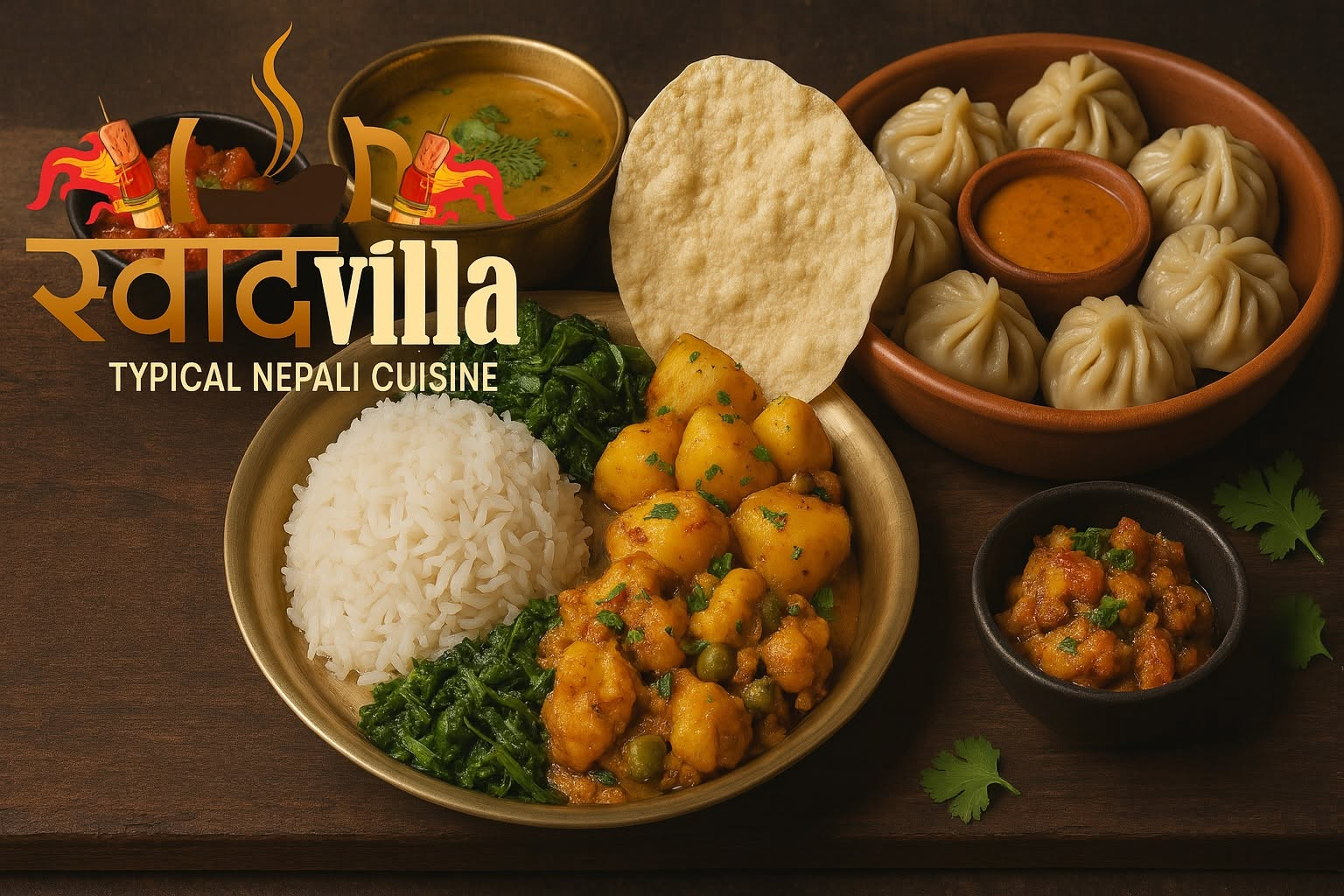
Furthermore, their culinary dedication extends beyond the grill. Swadvilla’s menu features hearty, soul-warming Nepali Thali sets and authentic Momos presented in beautiful, rustic earthenware, giving diners a full spectrum of local flavors.
Capturing the Vibe: The Digital Dining Experience.
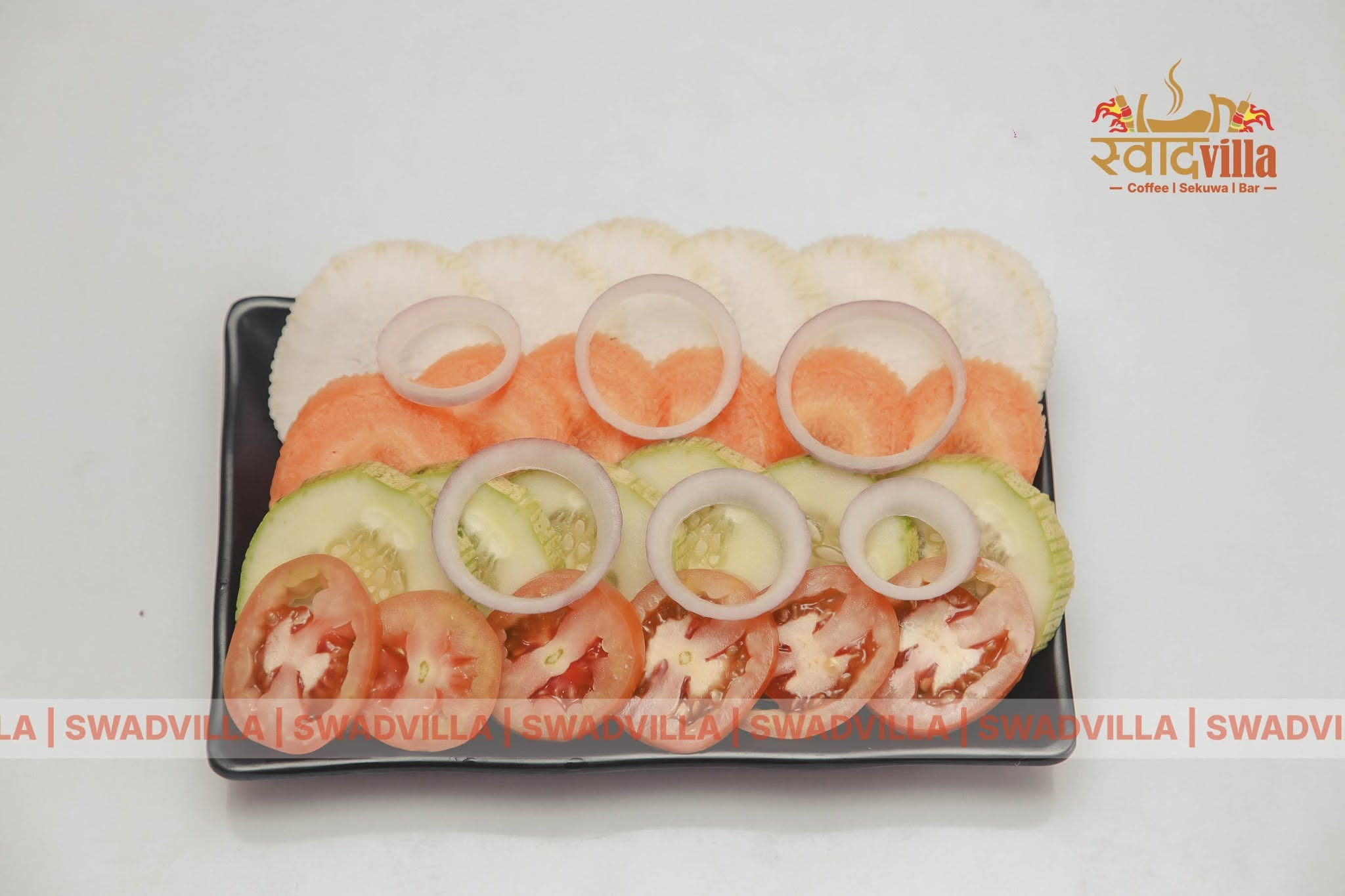
In the competitive landscape of Kathmandu’s hospitality sector, having incredible food is only half the battle. The other half is how you tell your story online. Swadvilla’s visual presentation—from the vibrant, fresh salad platters to the rich, red marinade crackling on the chulo—is undeniably photogenic.
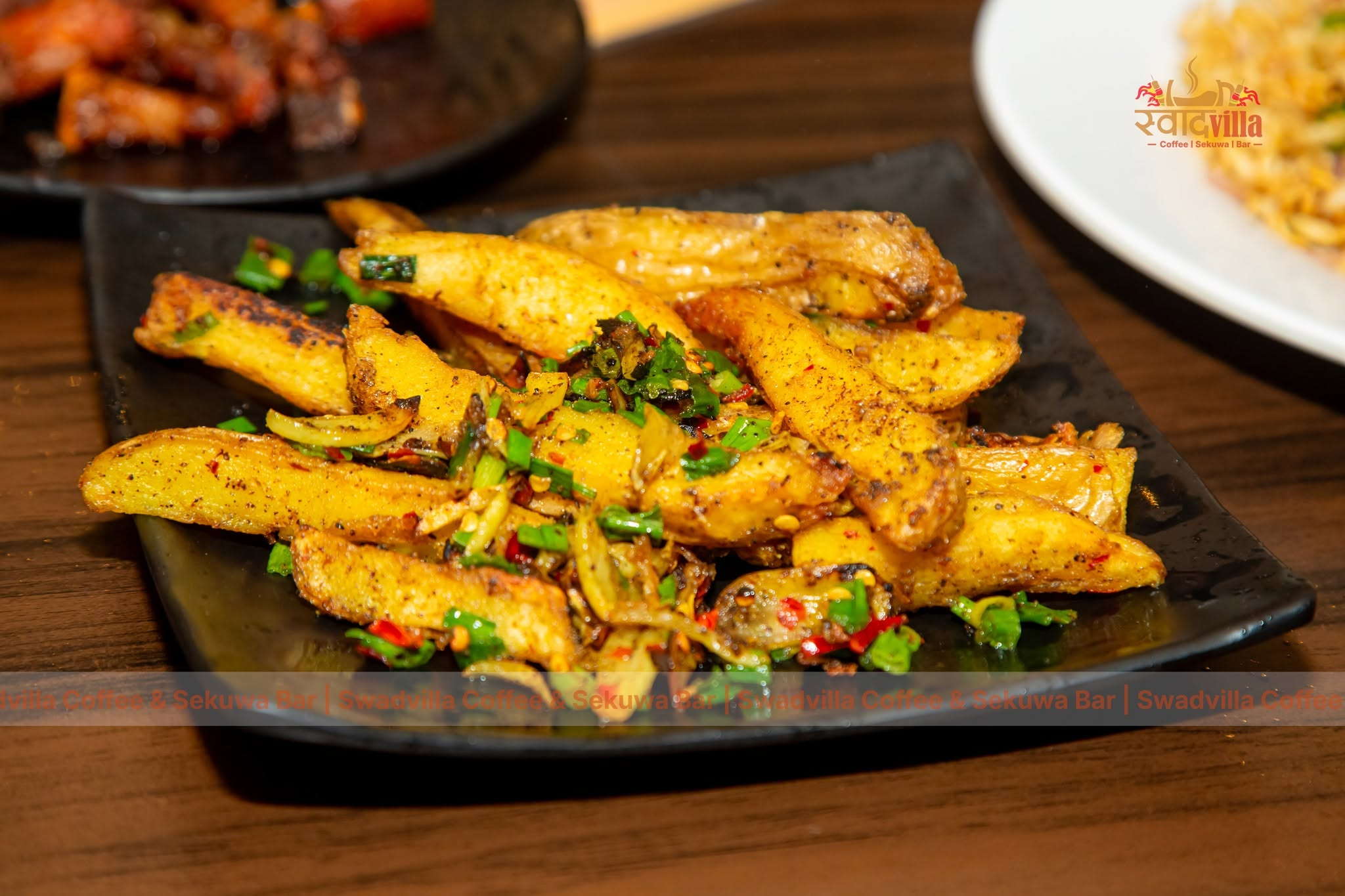
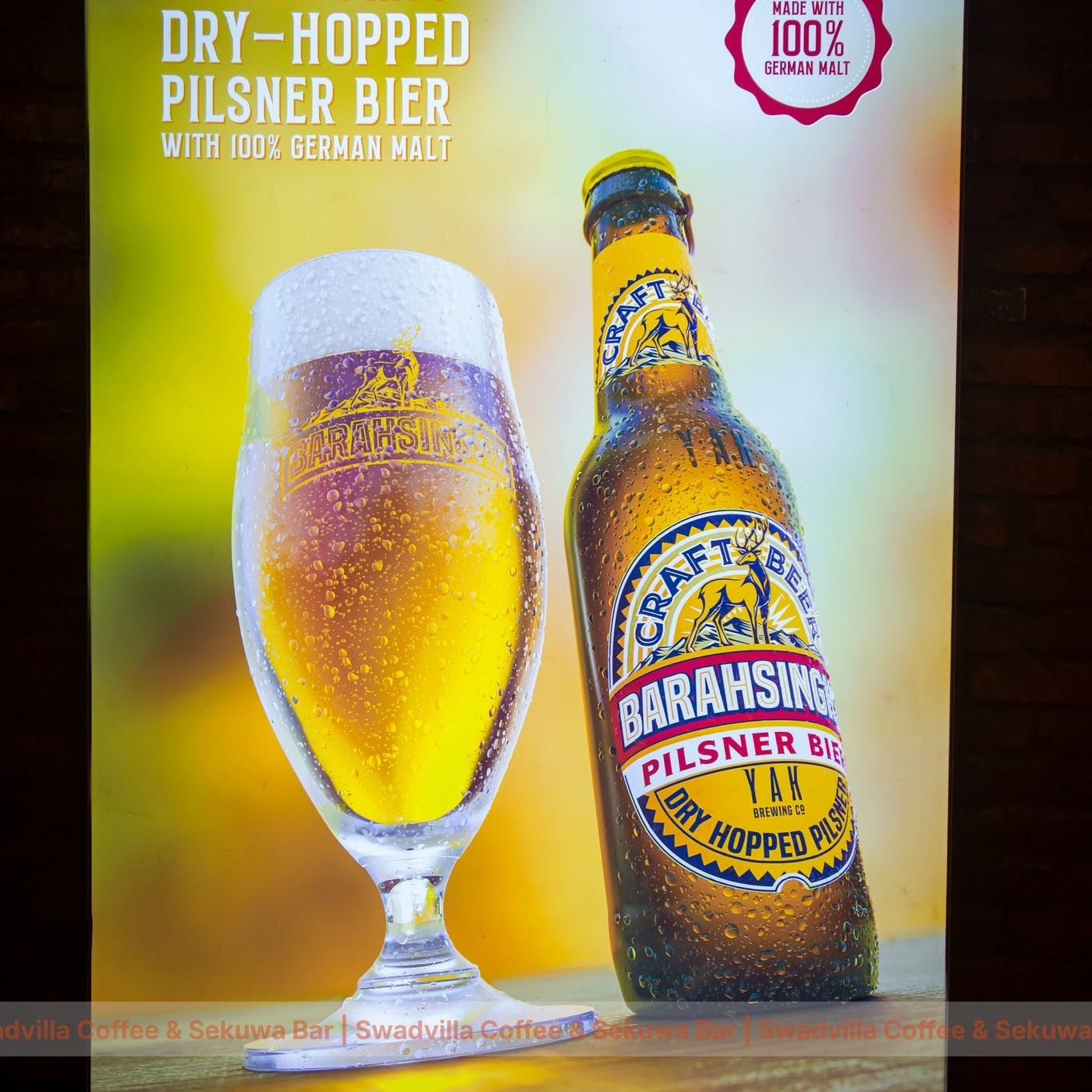
However, translating the raw, crackling energy of a mud stove onto an Instagram or TikTok feed is a highly technical skill. It requires professional food photography and dynamic video reels to capture the texture and steam accurately. Furthermore, leveraging targeted Meta Ads ensures that the right demographic—say, local office workers craving evening sekuwa, or freelancers looking for morning coffee—actually sees this content. Venues that dominate the modern dining scene rely on comprehensive restaurant marketing to turn a great physical product into a digital sensation.
Whether you’re stopping by Swadvilla for a midday caffeine fix or gathering a large group for an evening feast of fire-roasted sekuwa, you are participating in Kathmandu’s best new dining trend: the perfect marriage of modern hospitality and traditional culinary art.